
Best Fitness Trackers in Australia (2026)
Four fitness trackers compared on the things that actually decide whether you keep wearing one: battery life, which metrics sit behind a subscription, and how the bands cope with an Australian summer.


Most fitness tracker round-ups compare screen sizes. That is rarely what decides whether the thing is still on your wrist in six months. What decides it is battery life, whether the metrics you actually care about sit behind a paywall, and whether the band survives an Australian summer.
This is a new category for Test Bench, so we are being explicit up front: we have not worn these for a year. What we have done is compare the specifications, the subscription terms as they apply in Australia, and the pattern of complaints in large review samples.
The short version
- Best for most people: Fitbit Inspire 3 — the clearest sleep and heart-rate reporting at a sane price, but the useful analysis sits inside Fitbit Premium after the bundled 6 months.
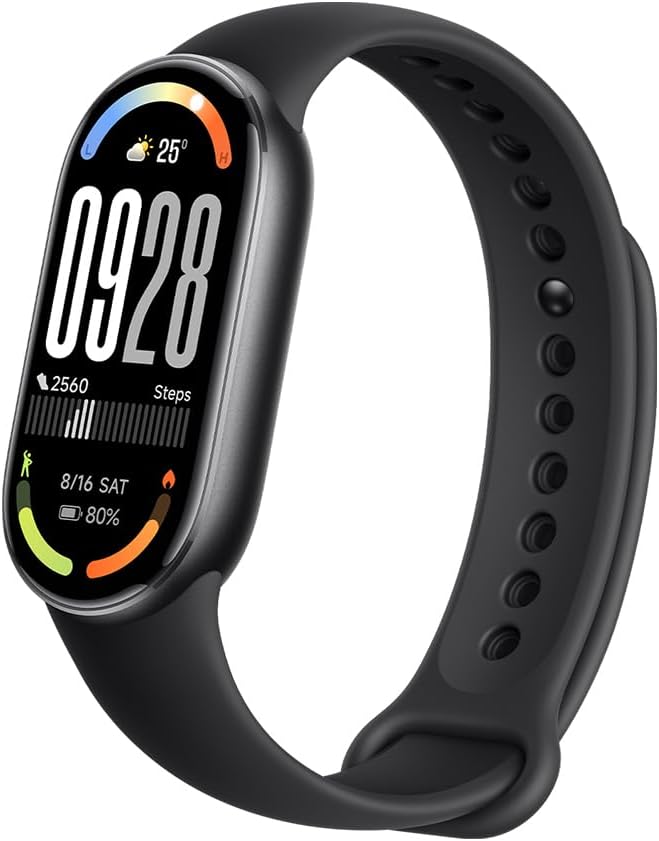
- Best budget: Xiaomi Smart Band 10 — the largest review sample here by a wide margin, no subscription, and a battery measured in weeks rather than days.
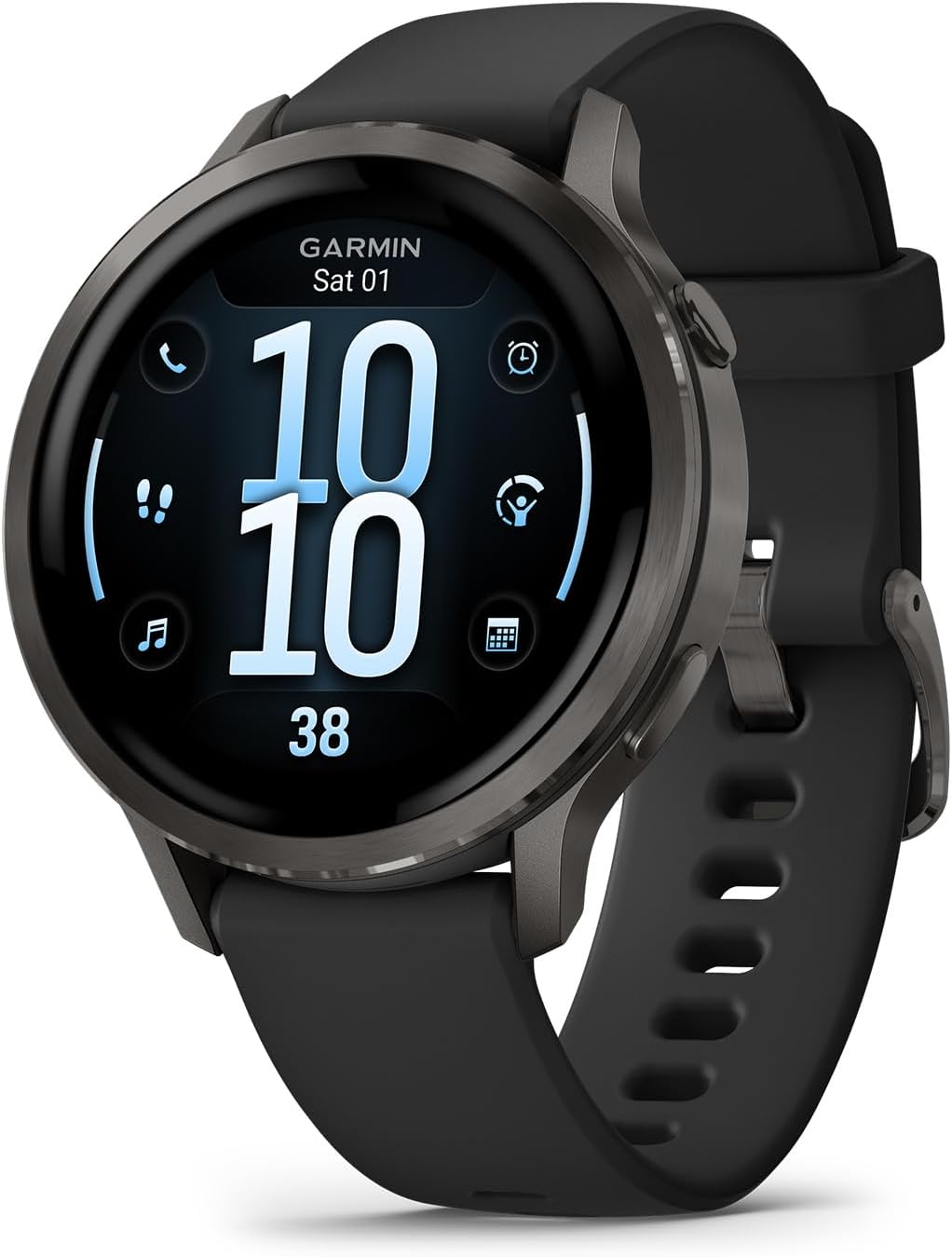
- Best premium: Garmin Venu 4 — the only one here aimed at people who train seriously rather than people who want step counts.
- The one to think hardest about: WHOOP 5.0 — no screen at all, and the hardware price includes a membership. Read the pricing section before you buy.
Compared at a glance
| Tracker | Best for | Price (AUD) | Key advantage | Main downside |
|---|---|---|---|---|
| Fitbit Inspire 3 | Everyday tracking | $166.98 | Readable sleep and HR reporting | Best features move behind Premium |
| Xiaomi Smart Band 10 | Spending the least | $75.16 | Multi-week battery, no subscription | App polish is a step below Fitbit |
| Garmin Venu 4 | Structured training | $847.00 | Training load and recovery depth | Price is in another bracket |
| WHOOP 5.0 | Recovery-led training | $299.00 | Continuous strain and recovery model | Membership-based, no display |
Prices checked 8 October 2026 on Amazon AU. Confirm on Amazon before buying — these move.
Why these four and not five of the same thing
These are deliberately four different answers to four different questions, not four versions of one answer. A $75 band and an $847 watch are not competing; they are serving people with different problems. The Xiaomi and the Fitbit both answer "tell me roughly how I slept and how much I moved". The Garmin answers "tell me whether I am recovered enough to train hard today". WHOOP answers the same question as the Garmin but removes the screen entirely and charges monthly for the privilege.
If you are buying your first tracker, the honest advice is that the $75 band will tell you most of what the $847 watch tells you. The gap is in training-specific analysis, GPS accuracy and build quality, not in step counts.
What actually matters
Subscription terms. This is the single biggest hidden cost in the category, and it is the same trap we wrote about in GPS dog trackers. Fitbit bundles six months of Premium and then asks for an ongoing fee for the deeper sleep and readiness analysis. WHOOP is membership-first by design. Xiaomi and Garmin charge nothing ongoing. Over three years that difference can exceed the hardware price.
Battery life. A tracker charged weekly gets worn. A tracker charged nightly gets taken off at night, which removes the sleep data that was half the reason to buy it. The Xiaomi's multi-week battery is a genuine behavioural advantage, not a spec-sheet one.
Review confidence. The Xiaomi sits on 14,585 ratings and the Fitbit on 7,714. The Garmin Venu 4 has 1,702 and WHOOP 611 — smaller samples on newer products, so treat their averages as less settled.
Australian conditions. Silicone bands and heat are a known combination. Several complaints across these listings relate to band degradation and skin irritation rather than the electronics. Budget for a replacement band; they are cheap.
Individual assessment
Fitbit Inspire 3 — $166.98, 4.5 from 7,714 ratings. The most legible daily reporting of the four. Our reservation is structural rather than technical: the bundled Premium period ends, and the features people quote as the reason they bought it are on the paid side of that line.
Xiaomi Smart Band 10 — $75.16, 4.4 from 14,585 ratings. The best value in the category by a clear margin and the most trustworthy average here simply because of sample size. The app is functional rather than pleasant. Buy it if you want data without a relationship with a subscription.
Garmin Venu 4 — $847.00, 4.5 from 1,702 ratings. Appropriate if you follow a training plan and will act on recovery metrics. Overspecified if you will not. We would not recommend it as a first tracker.
WHOOP 5.0 — $299.00, 4.2 from 611 ratings. We would skip this one unless you specifically want the recovery-led model and have accepted the ongoing membership. No screen means no glanceable time, no notifications and no standalone use. That is a design choice, not a flaw, but it is a choice a lot of buyers discover after the fact.
Who should skip the category entirely
If your goal is "move more", a tracker helps for roughly a month and then becomes jewellery. If your goal is "train with structure", the Garmin earns its price. If your goal is "understand my sleep", the Fitbit or the Xiaomi will do it for a fraction of that.
FAQ
Do any of these work without a phone? All four need a phone for setup and for meaningful analysis. The Garmin is the most usable standalone.
Are the sleep stages accurate? Wrist-based sleep staging is an estimate derived from movement and heart rate. Treat trends as useful and individual nights as rough.
Will the Fitbit stop working without Premium? No. Core tracking continues. The deeper analysis stops.
Methodology
We compared published specifications, current Amazon AU pricing and the distribution of complaints in each listing's review sample. We have not worn these devices long-term and we do not claim to have. Where a review sample is small, we say so rather than reporting the average as settled.